

Research
Understanding future security
The FSI advances creative, collaborative policy-oriented research on pressing global security issues to advance unexpected debates and contribute to concrete solutions. These efforts are driven by the expertise and interests of our diverse team of faculty and fellows linking field research, case studies, oral histories, open-source investigations, war gaming, and strategic analysis. Research projects focus on irregular warfare, transitional justice and human rights, drones, moral injury, domestic and international terrorism, cognitive warfare, AI and emerging technologies, and conflict. To support these efforts, FSI has launched two new centers – the Center on Intelligence and National Security and the Center on Agriculture and National Security, as well as a number of interdisciplinary programs and collaborative efforts across ASU and with a variety of partners.

Funded Research
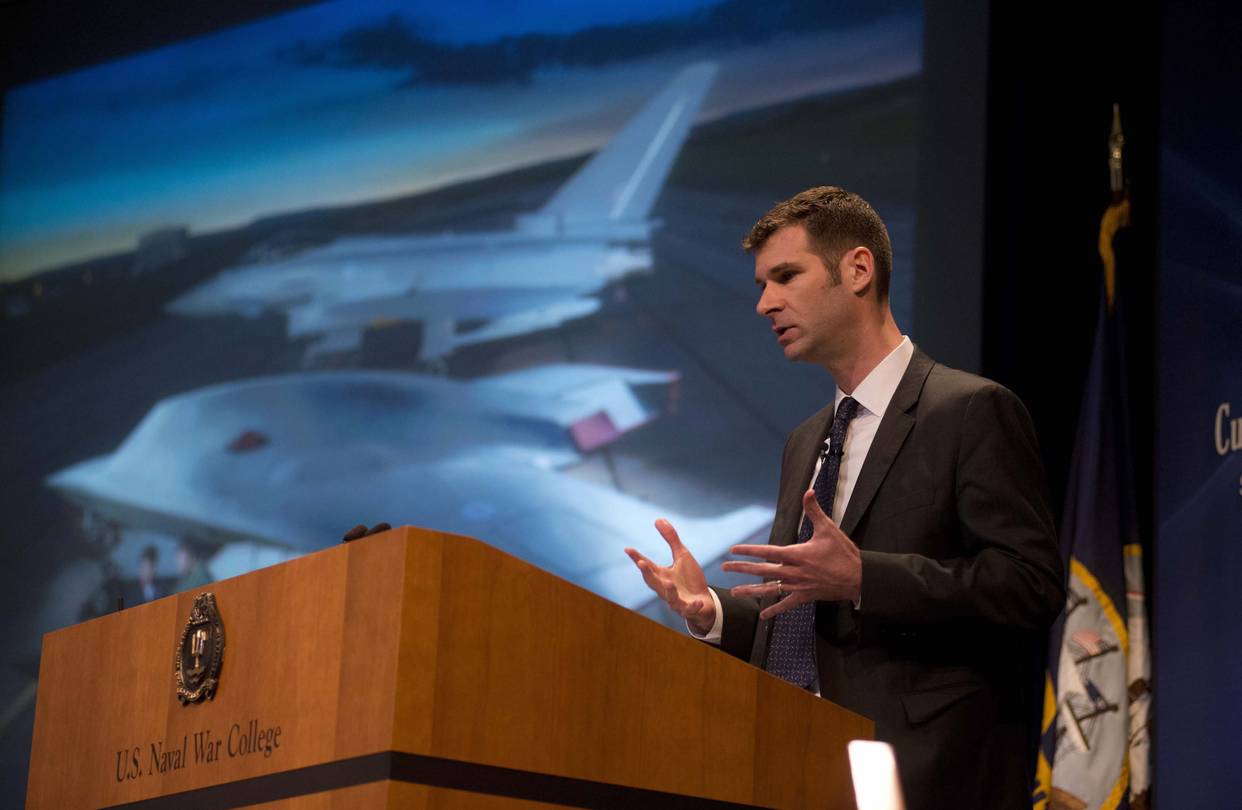
FSI Faculty and Fellows are currently PIs, co-PIs, and Managers on over $26 million in externally supported research funded by foundations, U.S. government agencies, and others. In the 2025-2026 academic year, FSI faculty and fellows submitted proposals for over $6 million in new funding for projects on reconceptualizing international development, the use of drones by non-state actors, and developing AI tools to improve access and transparency of the judicial systems in Latin America, among other proposals.
Research Collaborations
FSI research builds on our core partnership between ASU and New America, and often involve collaborations with many ASU units, including the Advanced Capabilities for National Security Institute (which manages the largest of these efforts focusing on irregular warfare), Center for the Study of Religion and Conflict, the Melikian Center for Russian, Eurasian and East European Studies, and the Center for Work and Democracy in The College, the School of Electrical, Computer and Energy Engineering in the Ira A. Fulton Schools of Engineering and the Center for Law and Global Affairs in the Sanda Day O’Connor College of Law. We also partner with a variety of domestic and international organizations on field research, policy analysis and other issues,
Below is an overview of current and past research projects involving teams of FSI faculty and fellows. This does not cover the many research projects created and managed individually by FSI faculty and fellows (many of which are supported by the FSI), although some books, articles and other outputs arising from those efforts are outlined on this website, and in our periodic newsletters.
Projects

Restorative/Transitional Justice and Human Rights in Iraq
A four-year funded project to support restorative and transitional justice in Iraq by gathering oral histories of victims of human rights violations including a focus on minority groups, assessing memorialization efforts, and developing local capacity to assist victims of trauma related to decades of political violence. The project supports improved policy and generates publications in Iraq and elsewhere. The PI is Daniel Rothenberg, FSI Co-Director, with co-PI Anand Gopal, Professor of Practice at FSI, the Center for the Study of Religion and Conflict, and the Center for Work and Democracy, with key elements of the project managed by Anita Sreedhar, MD, FSI Clinical Professor, Carly Fuglei, Iraq Program Director, as well as Carolyn Forbes, Iraq Senior Program Manager, all of whom work with teams of Iraqis that are part of the Zomia Center.

Irregular Warfare Center Service Contract
A five-year service contract to support the Irregular Warfare of Center (IWC) with research programs advancing issues related to several thematic areas including information operations, disinformation, and misinformation; emerging technologies; lawfare; economic statecraft; human domain; resiliency; military assistance and cooperation; and emerging challenges and opportunities. The project is administered by ASU’s Advanced Capabilities for National Security Institute (AC-NSI) with key management from FSI faculty Jan “Ken” Gleiman, Professor of Practice and Director of Irregular Warfare Studies and Amos Fox, Professor of Practice. The Service Contract includes a network of university research centers and other partners. Through this funding mechanism, ASU faculty and others in the IWC Research Partner network can submit project proposals for potential support. 11 of the 33 research projects (30%) funded in the first two years of the IWC Service Contract have been directed by FSI faculty and FSI Research Fellows.

Work in Syria
Anand Gopal, Professor of Practice with FSI, the Center for the Study of Religion and Conflict, and the Center for Work and Democracy, working with Jeremy Hodge, FSI Research Fellow, and Daniel Rothenberg, FSI Co-Director, manage several initiatives in Syria in coordination with Zomia Center local staff. Initially, these efforts were supported by seed funding from the Institute for Social Science Research at ASU as well as by the FSI. Research focuses on documenting and analyzing enforced disappearances by the Islamic State of Iraq and Syria (ISIS), field research to understand conditions in the al-Hol camp, which has housed over 40,000 people, and data collection to map the impact of the conflict in the northeast of the country. We have also used oral history methods and insights to document and analyze first-person experiences of Syrians who joined and/or supported ISIS within the context of the devastation, suffering, and dislocation of the Syrian conflict. This work will be presented in a book, The Darkest and Most Frightening of My Life: Understanding ISIS Through the Lives of its Members, forthcoming from Columbia University Press. And, in 2026, Anand Gopal published Days of Love and Rage: A Story of Ordinary People Forging a Revolution (Simon & Schuster) which traces the stories of several men and women in the city of Manbij as a window into the popular efforts to unseat a brutal

Drones
ASU and New America have been working together on various aspects of the use of military and civilian drones around the world for over 15 years, first at the Center for Law and Global Affairs at the Sandra Day O’Connor College of Law, then with the Center on the Future of War, and now with FSI. This work began with a 2011 conference that led to Peter Bergen and Daniel Rothenberg’s edited collection, Drone Wars: Transforming Conflict, Law, and Policy (Cambridge University Press), as well as a number of policy presentations, panel discussions, and lectures in Washington, D.C. and at ASU. This research includes four widely cited online databases on: U.S. drone attacks in Pakistan; U.S. drone attacks in Yemen; U.S. drone attacks in Somalia; and the World of Drones project which collects information on military drone development in over 80 countries around the world. These efforts are based at New America and include research by the Future Security Initiative team, often supported by ASU undergraduate and graduate student researchers. The FSI is currently expanding research to engage the ways in which drones are used by non-state actors as well as how current and future drone use is linked with AI and other new and emerging technologies.

Future of Proxy War
The project offers new ideas on the meaning of proxy warfare moving beyond dominant Cold War-era models and based on granular, context-rich evidence from fieldwork studies in Afghanistan, Iraq, Libya, Syria, and Yemen. It also creates a network of regional researchers and sponsors meetings on proxy war research in Turkey, Iraq, and the U.S. These efforts were supported by the Carnegie Corporation of New York and the Smith Richardson Foundation and included field research and analysis by FSI team members including Peter Bergen, FSI co-director, Anand Gopal, Professor of Practice, Jeremy Hodge, Research Fellow, and David Kilcullen, Professor of Practice, Candace Rondeaux, Professor of Practice, Daniel Rothenberg, FSI co-director, and David Sterman, Research Fellow. The project has produced a book, Understanding the New Proxy Wars: Battlegrounds and Strategies Reshaping the Greater Middle East (Oxford University Press 2022) as well as a dozen white papers that have been viewed more than 170,000 times.
In 2025, we expanded on this project with a new effort, Understanding Iranian Proxies, a two-year $200,000 project supported by the Smith Richardson Foundation. The PI is Jeremy Hodge, FSI Research Fellow, with co-PIs Peter Bergen, Anand Gopal, Daniel Rothenberg, and David Sterman, The project supports field research and other data collection to document and analyze Iranian proxies in less-studied sites, such as Saudi Arabia and the West Bank, producing policy related publications.

Cognitive Warfare
Robert Schmidle, Professor of Practice, is one of the nation’s thought leaders on the special challenges of cognitive warfare, with a focus on its use by China as a key strategy directed against the United States and key allies. The project outlines the underlying logic of cognitive warfare and its ability to undermine trust, communication, and coordination based on an assessment of current strategy, interdisciplinary expert meetings, and other efforts, producing policy papers, workshops and briefings to Congressional committees and others. This work has been funded by multiple entities including the Smith Richardson Foundation and the Office of Net Assessment. More recently, Prof. Schmidle’s work on cognitive warfare has been supported through the IWC Service Contract managed at ASU by the Advanced Capabilities for National Security Institute (AC-NSI), leading to workshops, publications, and war games.

Cybotage
This project bridges the fields of art, biology, global security, and social science through a public art installation on landmark buildings and indoors, offering a thought-provoking exploration of human enhancement technologies, cybernetics, and the ethical implications they hold for society and the environment. The project is directed by Zeina Barakeh, Associate Professor, ASU School of Art, with support from Co-PIs Daniel Rothenberg, FSI Co-Director and Anika Binnendijk, FSI Professor of Practice. The project has been funded by a Leonardo-ASU Planetary Health Research Seed Grant leading to workshops and publication, with plans for expansion.

Tracking America’s Counterinsurgency Wars
Peter Bergen, FSI Co-Director and Professor of Practice and David Sterman, FSI Research Fellow lead this project out of New America which monitors U.S. counterterrorism strikes, substantially contributing to the public and policymaker understanding of America’s wars in Somalia, Yemen, and elsewhere via its databases of drone strikes (first created in 2009), which were viewed more than 20,000 times in 2025. In particular, New America has been in the forefront of promoting transparency and providing analysis around the Trump administration’s unprecedented escalation of strikes in Somalia, where the U.S. has conducted more than 120 strikes in 2025 alone––more than Biden or Obama conducted during their respective presidencies. As a result New America and Sterman’s research on the strikes in Somalia has been cited widely including by Al Jazeera, The Atlantic, multiple authors writing in the CTC Sentinel, and in multiple articles in Task & Purpose and on NPR. New America’s research was also cited in a European Union Agency for Asylum report. Sterman has also spoken with reporters investigating a possible case of civilian casualties, which may appear in a forthcoming article. In 2026, to mark 25 years since 9/11, a new book by Peter Bergen, FSI Co-Director, All the Presidents' Wars: Twenty-Five Years of America's War on Terror will be published (W.W. Norton & Co.).

Tracking Terrorism in America
Peter Bergen, FSI Co-Director and Professor of Practice and David Sterman, FSI Research Fellow lead this project out of New America which includes a database about terrorism in the United States since 9/11 to better understand who is charged with acts of terrorism in the States. The database on homegrown extremists is an authoritative source for anyone trying to discover more information about the more than 500 jihadist terrorism cases in the United States, and the database was viewed more than 30,000 times in 2025 through early November. Bergen has also provided commentary on significant terrorist attacks in the U.S. and around the world for CNN.

Future Frontlines Program
Candace Rondeaux, FSI Professor of Practice, directs the Future Frontlines program at New America, a public interest investigation hub focusing on policy-oriented research using investigative journalism, computer engineering, data mining, and machine learning. Other key team members include Ben Dalton, Future Frontline Program Manager and FSI Research Fellow, and Riley Rogerson, as well as a number of fellows. Among other activities, in 2025, Future Frontlines worked with ASU's Data Mining and Machine Learning Lab and Information Competition Lab to train more than 80 undergraduate and graduate students in open-source investigation and data mining techniques. Future Frontlines organized a high-level roundtable on Arctic strategy and U.S.-Finnish relations, analyzed how Ukraine-related weapons production has revitalized American manufacturing hubs, organized a policy roundtable on the future of transatlantic relations, and created an investigative podcast examining how the messaging platform Telegram became critical infrastructure for Russian irregular warfare. The Future Frontlines team also continued to analyze issues related to the Wagner group and Russian paramilitary operations, leading to reports, appearances at conferences and closed-door briefings. Future Frontlines’ research has led to multiple media appearances and white paper with major media such as CNN, France 24, Politico, Vox, and other frequently citing research and analysis produced by the Future Frontlines program.

Planetary Politics Initiative
Candace Rondeaux, FSI Professor of Practice, directs the Planetary Politics initiative at New America, which is funded by the Ford Foundation to reimagine a more inclusive, equitable, and sustainable global order. Other key team members include Ben Dalton, FSI Research Fellow, Gordon LaForge, Heela Rasool-Ayub, and Riley Rogerson, as well as a number of fellows, leading to research and policy papers on many issues including environmental accountability in warfare, critical minerals governance, BRICS+ evolution, and African digital sovereignty, among other issues. The program hosted its first Digital Futures Symposium examining "Sovereignty and Agency in the Age of AI" in Washington, DC and launched the Digital Futures Roundtable Series, while also co-hosted high-profile convenings during UN General Assembly High-Level Week, organizing a multi-day workshop on just energy held on the margins of the World Bank Spring Meetings, and convening a symposium in South Africa in partnership with the University of Cape Town.
Future Security Scenarios Lab
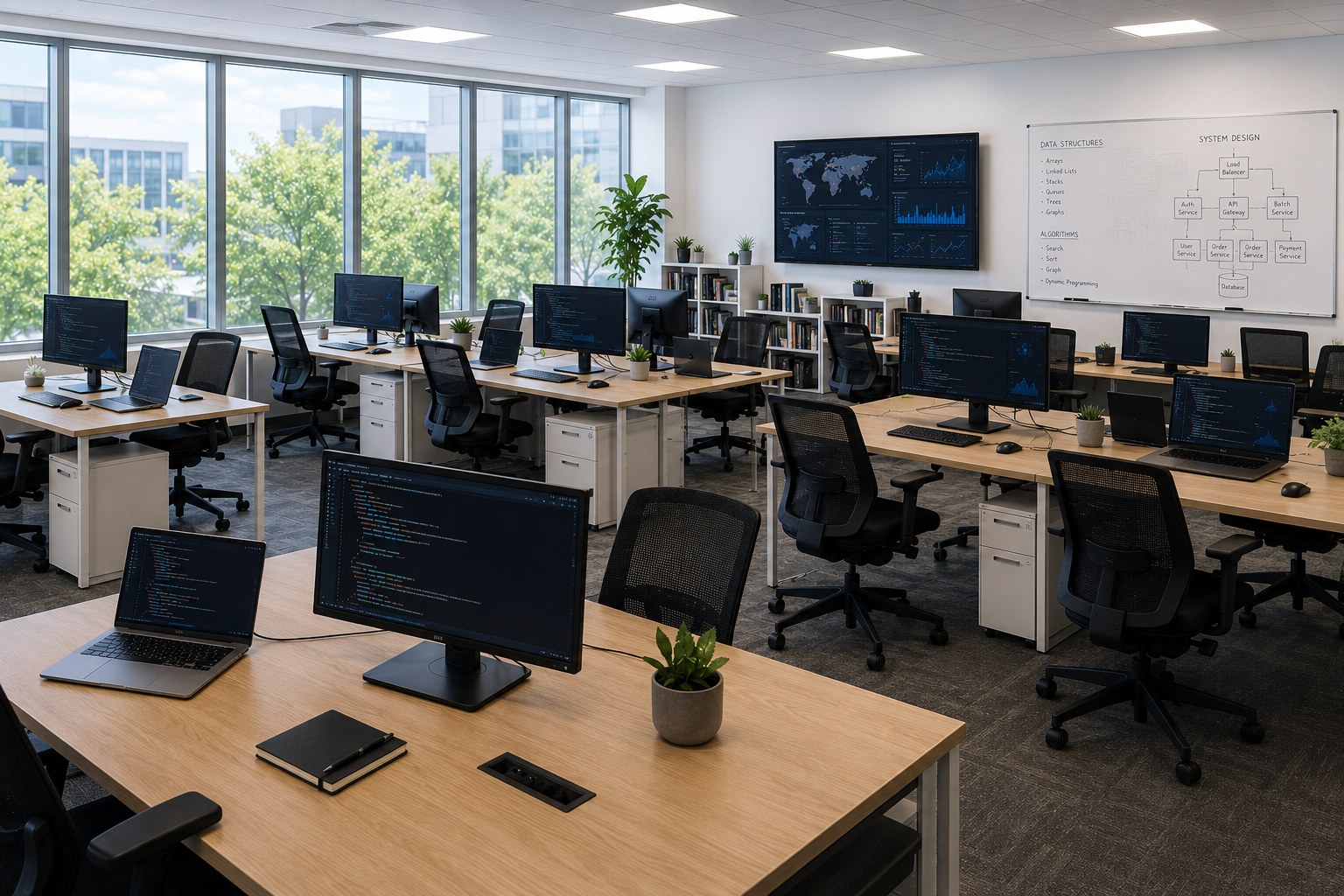
Amy Nelson, FSI Research Fellow launched the Future Security Scenarios Lab at New America to help leaders navigate accelerating technological and geopolitical complexity through scenario planning, forecasting, and strategic simulations. In 2025 and 2026, the Lab examined the roots of public complacency toward nuclear risk and developed new strategies for reframing nuclear narratives, publishing a report, while also creating a scenario- and forecasting-based study interrogating expert assumptions about proposed sea-launched cruise missiles and the implications for escalation, alliance assurance, and long-term stability. FSI provides support to the Future Security Scenarios Lab, particularly as regards deepening links between its work and ASU faculty, centers, and programs.

The China Intelligence
Peter Singer, FSI Professor of Practice, runs this open-source intelligence project on global security issues related to China, including articles on topics that range from Chinese rare earth strategy to explaining its new efforts to leap ahead in drone technology. In 2025, the project published 23 articles in Defense One, with 50,000–100,000 reads, leading to key materials used in briefings for groups ranging from the White House to the senior leaders of the U.S. Army, Air Force, and Navy.

#ShareTheMicInCyber: Supporting Underrepresented Communities in the Cybersecurity Field
Peter Singer, FSI Professor of Practice, leads this project, which supports professionals from traditionally underrepresented communities in the field of cybersecurity, elevating their voices and aiding in their research and professional development. In 2025, the project welcomed its third cohort, researchers with backgrounds in policy, law, and consulting. This cohort focused on issues including challenges of AI data centers to the use of “deep fakes” to target female politicians. Fellows published policy reports and were featured in 32 public appearances across podcasts, events, and written media, where they spoke about their research projects.
Past Research Projects

Coronavirus Daily Brief
In March 2020, Future Security Initiative co-director Peter Bergen founded the Coronavirus Daily Brief, a New America/ASU partnership. Since our first brief in March 2020, we have published over 275 briefs with more than one million words of analysis of the top health and science, global, political, economic, and societal stories about the pandemic. The brief covers international politics and health policy, as well as racial and other disparities in the virus’s impact on health and on the economy both in the U.S. and globally. The brief is read by between 2,000 and 4,000 people every day, including by top media, policy, and corporate leaders shaping the broader news coverage of coronavirus.
Drones
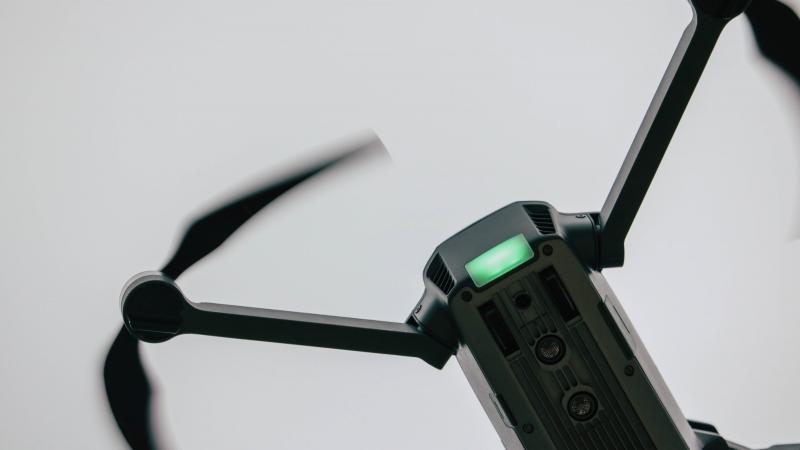
Since 2010, ASU and New America have been working together on various aspects of the use of military and civilian drones around the world. This work began with a 2011 conference that led to Peter Bergen and Daniel Rothenberg’s edited collection, Drone Wars: Transforming Conflict, Law, and Policy (Cambridge University Press), as well as a number of policy presentations, panel discussions, and lectures in Washington, D.C. and at ASU. This research includes four widely cited online databases on: U.S. drone attacks in Pakistan; U.S. drone attacks in Yemen; U.S. drone attacks in Somalia; and the World of Drones project which collects information on military drone development in over 80 countries around the world. These efforts are based at New America and include research by the Future Security Initiative team, often supported by ASU undergraduate and graduate student researchers.
Field Research in Syria
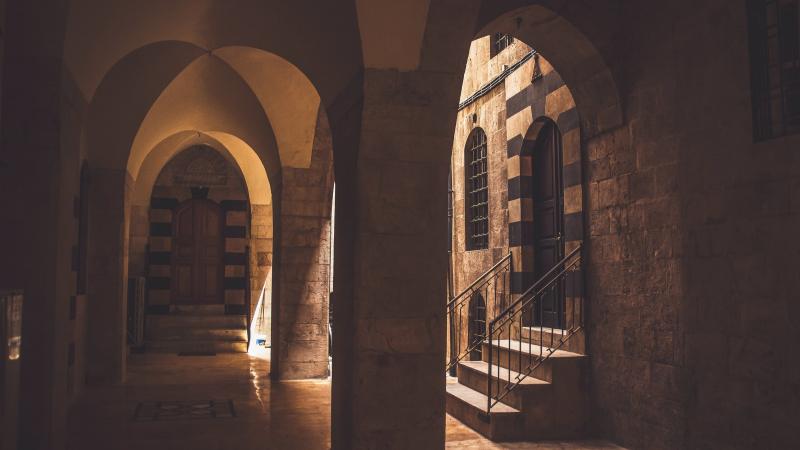
The Future Security Inititative works with the Zomia Center on a number of field research projects in Syria with a focus on understanding why locals are attracted to specific rebel organizations, how the war was experienced on the ground, and how locals can address ISIS atrocities as part of broad-based efforts at societal reconciliation. FSI faculty Anand Gopal leads a project supported by seed funding from ASU’s Institute for Social Science Research to better understand why some Syrians are attracted to Islamist armed groups while others join secular rebel organizations, including an analysis of the roles of rebel governance and rebel judicial courts. We also have a project, run by Daniel Rothenberg and Tom Peter, using oral history methods and insights to document and analyze first-person experiences of Syrians who joined and/or supported ISIS within the context of the devastation, suffering, and dislocation of the Syrian conflict. This work will be presented in a book, The Darkest and Most Frightening of My Life: Understanding ISIS Through the Lives of its Members, forthcoming from Columbia University Press. We are also working with colleagues in the Peace Engineering program at Drexel University on mapping the impact of the conflict on the city of Manbij.
Jan 6. Research Consortium
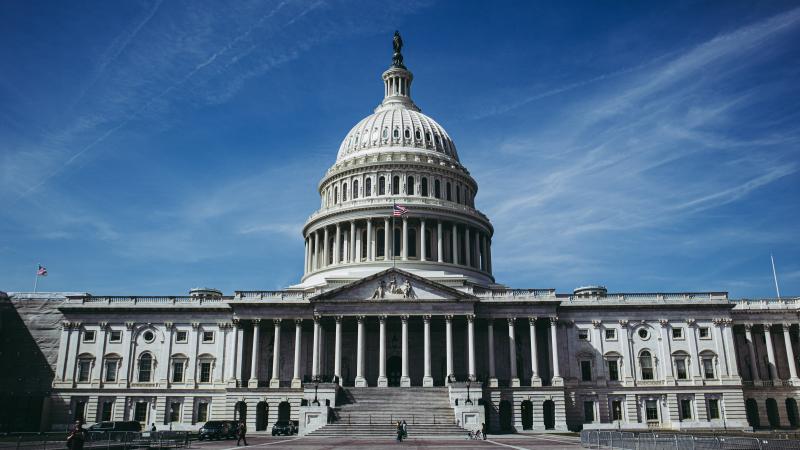
This program uses open-source investigative tools, data mining techniques, and journalistic methods to explore how the digital revolution is reshaping national dialogue on the future of democracy. The project links ASU, New America, and partners from 50 other research institutes to research, analyze and explain complex dynamics through innovative data-driven research and is run by FSI Faculty Candace Rondeaux. Several FSI faculty are contributors and the project also involves collaboration with ASU's Data Mining and Machine Learning Lab and ASU’s Data and Society hub. The project is part of work conducted under the rubric of the Future Frontlines program which helps the public and policymakers understand how technological transformation is changing the character of competition, conflict, and influence. The initiative is part of a growing movement of journalists, policy analysts, social scientists, computer and information scientists, and human rights defenders who are leveraging publicly available data to hold power to account. The U.S. Library of Congress selected the project’s website to be included in its archival collection of internet materials related to the January 6th attack on the Capitol.
Future of Proxy Warfare Initiative
The project offers new ideas on the meaning of proxy warfare moving beyond dominant Cold War-era models and based on granular, context-rich evidence from fieldwork studies in Afghanistan, Iraq, Libya, Syria, and Yemen. It also creates a network of regional researchers and sponsors meetings on proxy war research in Turkey, Iraq, and the U.S. The project has produced a dozen white papers that have been viewed more than 170,000 times as well as a forthcoming book, Understanding the New Proxy Wars (Oxford, 2022). The project is directed by Peter Bergen, Candace Rondeaux, Daniel Rothenberg, and David Sterman and supported by the Carnegie Corporation of New York and other funders. We recently began a new phase of the project managed by FSI Research Fellow Jeremy Hodge exploring Iranian proxy forced throughout the region.
Moral Injury
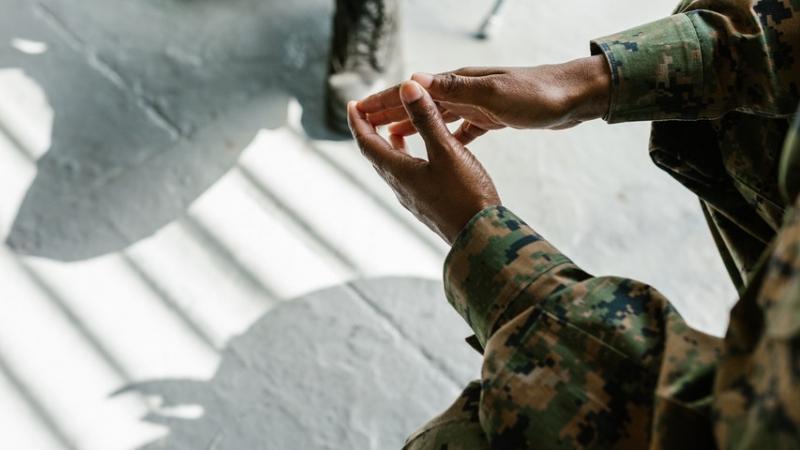
This project considers the ways in which the experiences of war create complex, long-lasting ethical harm, an issue of increasing interest to veterans, their families, caregivers, and others. The project began in September 2016 and links Core FSI Faculty, Affiliated Faculty, representatives of the Office for Veteran and Military Academic Engagement, the Pat Tillman Center, and local and national veterans’ groups. The project also engages partners associated with the PLuS Alliance, linking ASU with Kings College London and University of New South Wales as well as local veterans’ groups. Team members include ASU faculty Brad Allenby, Daniel Rothenberg, and others, as well as David Wood, ASU Future of War Senior Fellow at New America who won a Pulitzer Prize for his work on moral injury. In 2018, we began a new cooperative project on moral injury with the Institute for Philosophy and Public Policy at George Mason University, funded by the National Endowment for the Humanities, leading to a series of essays in Ethics and International Affairs.
Oral History of Post-9/11 Detention and Surveillance
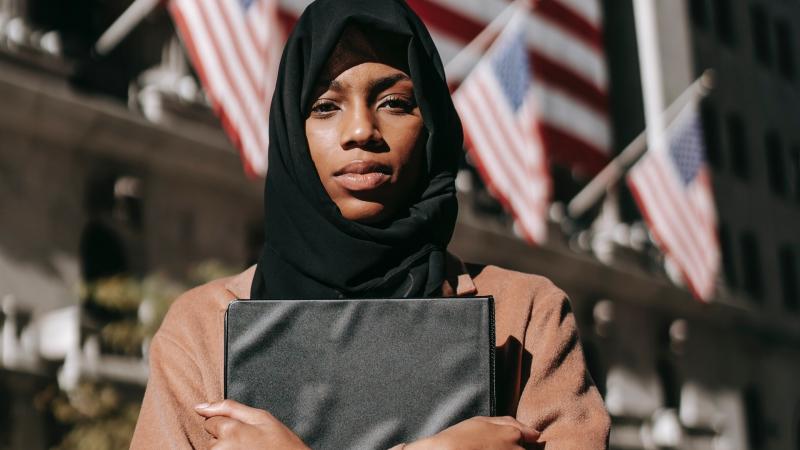
This project uses humanities methods and insights to document and analyze the first-person experiences of detention and surveillance of Muslim Americans and Muslim immigrants after 9/11. The project gathers and analyzes oral histories of Muslim Americans that have been detained, government officials, prosecutors, members of communities subjected to systematic surveillance, and others. By gathering representative voices from multiple actors, we seek to present a social portrait of the social impact of post-9/11 repressive state policies through the personal narratives of those who lived through these events. The project is directed by FSI Faculty Anand Gopal and Daniel Rothenberg working with FSI Research Fellow Rozina Ali, and is supported with seed funding from ASU’s Institute for Humanities Research.

Weaponized Narrative Initiative
This research explores how stories are used to impose one group’s will and interests upon another. It links a discussion of the ways in which evolving technologies – the internet, artificial intelligence, bots, malware, etc. – enable strategies that build on conditions of uncertainty and mistrust, illustrating a new vision of conflict. The project is directed by Ajit Mann, FSI professor of practice, with cooperation from a network of FSI affiliated faculty, and outside experts.
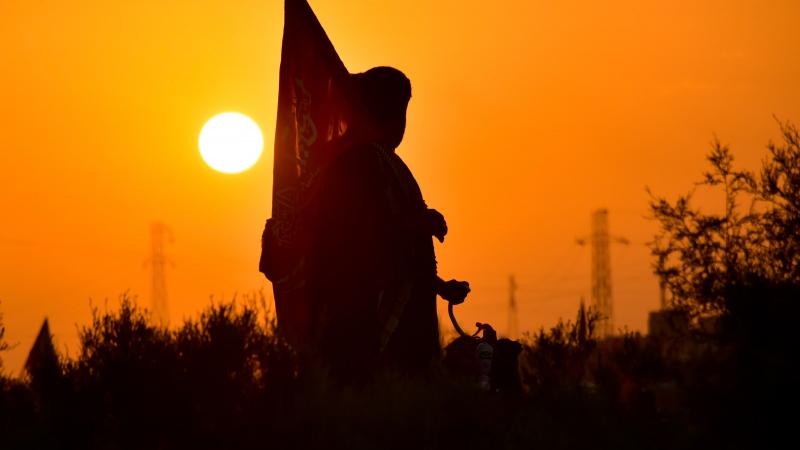
Zomia Center
The Zomia Center is dedicated to the rigorous study of non-state spaces for scholarly and humanitarian pursuits and is an initiative supported by the Future Security Initiative and New America Future Security. Zomia researchers produce contextually sensitive, interdisciplinary, and empirically grounded studies on areas outside formal government control. The team currently works in Syria, Iraq, Yemen, and Afghanistan.

Combatting Chinese Cognitive Warfare
This project explores how China’s concept of cognitive warfare presents a potential threat to U.S. security. Specifically, the research team reviews possible vulnerabilities of the U.S. military and civilian command structure and how cognitive warfare may exploit current approaches to strategic design, war planning and execution. Through a series of expert meetings, the team conducts an analysis of alternatives to the traditional Unified Command Plan as a means of enabling the U.S. to be better prepared for challenges by China and other adversaries. The team also looks for ways to develop and sustain enhancements in U.S. military potential, organization, and conceptual approaches to conflict to address future situations in innovative ways. Organizing for 21 st Century Warfare supports student researchers working under faculty guidance and presents its findings and recommendations in reports and briefings directed to policy makers, as well as other outputs. The project is run by the Association for the New Century with a grant from the Smith Richardson Foundation and managed at FSI by Robert Schmidle, FSI Professor of Practice.

Preventing Space War
Daniel Rothenberg, FSI co-director was the PI in a year-long project run by ASU’s Interplanetary Initiative on how to reduce the probability of a cataclysmic space war, leading to a day-long conference in Washington, DC in 2023 featuring a keynote address by Lt Gen DeAnna M. Burt, Head of Operations for United State Space Force as well as contributions by LtGen Robert Schmidle (ret), FSI/SPGS Professor of Practice, with support from ASU undergraduate and graduate students.
Centers and Programs

Center for Intelligence and National Security
This Center, established in the 2025-26 academic year, is designed to advance FSI and ASU’s work on issues of national intelligence through educational programming, events, mentorship, and research. The Center assists ASU undergraduate and graduate students from every College and School in learning more about the Intelligence Community, including the possibility of pursuing intelligence careers in the government or industry. The Center team includes Erich Schneider, Faculty Co-Director and FSI Clinical Professor, Peter Bergen, Faculty Co-Director and FSI Co-Director, John T. Lewis, Associate Faculty Director, and Jose Moreno, Communications and Outreach Coordinator, along with an expanding Center faculty team of intelligence professionals.
The Center hosts an Intelligence Community Fellows program serving 180 ASU undergraduate and graduate students for the 2025-2026 Academic Year, as well as new courses, including “Introduction to the U.S. Intelligence Community” and “The U.S. Intelligence Process” with 177 students enrolled. In 2025, the Center awarded 7 scholarships worth $56,000 to study critical foreign languages (Russian in Daugavpils, Latvia and Bishkek, Kyrgyzstan; Ukrainian in Warsaw, Poland), and to support summer research projects for the ASU Laboratory of Security for Future Computing (SEFCOM) and the field of cyberspace security, identity research, and national defense. The Center organized multiple events and is launching a new ASU certificate in U.S. National Security and Intelligence Studies to be based in the School of Politics and Global Studies. The Center also supports the creation of a new Intelligence Concentration in the MA in Global Security with three new courses “Intelligence and Technology,” “Intelligence and National Security Decision Making,” and “Covert Action.”
The Center takes an interdisciplinary approach to intelligence challenges, works across ASU and partners with industry. The Center’s Advisory Council is chaired by Dr. Chris Howard, ASU Executive Vice President and Chief Operating Officer and includes nationally recognized leaders in the fields of intelligence and national security: Gina Bennett, COL (Ret) Chris Costa, Christopher Davis, Jennifer Ewbank, Avril Haines, Kevin Keating, Doug London, Chris Long, Catherine Marsh, LTG (Ret) H.R. McMaster, Dawn Meyerriecks, Micheal Nugent, George Piro, Manolis Priniotakis, Nicholas Rasmussen, and LtGen (Ret) Robert Schmidle.

Center for Agriculture and National Security
The Center creates educational programming, conducts applied research, and provides policy guidance on the role of agriculture as strategic infrastructure. The Center was created in the 2025-26 and plays a unique role within FSI and ASU in defining and advancing agriculture security as a new, distinct domain of national security, with a focus on protecting farm-to-fork systems from hybrid threats and systemic vulnerabilities. The Center is managed by Alicia Ellis founding Faculty Director and Professor of Practice, Brig. Gen. Russ Howard (ret.), Professor of Practice, with support by multiple ASU colleagues in various units including Richard Rushforth, Research Associate Professor, School of Complex Adaptive Systems, Deniz Karakoc, Assistant Professor, School of Computing and Augmented Intelligence, and Sarah Shoer, Assistant Director University Affairs Security Initiatives.
As part of this effort, Prof. Ellis has taken on the role as ASU Lead for the ASU–Texas A&M National Security Partnership, providing leadership in a joint initiative aimed at redefining national security education and research by rooting it in the concerns regarding agriculture beyond the Beltway and traditional academic centers. The Center also organizes community workshops linking local farmers and agribusiness leaders with academic experts to discuss security issues related to Arizona agriculture, and meeting with federal government officials. Alicia Ellis directs several research projects including “Hybrid Threats to U.S. Agriculture” which uses wargaming to assess.

Small Wars Journal
In November 2024, FSI with support from ASU Media Enterprise, assumed management of the Small Wars Journal (SWJ), one of the most important post-9/11 online resources for critical analyses of current and future conflict and competitive statecraft. The new SWJ website publishes an average of 10 articles each week. SWJ has over 126,000 active users per month and has received over 8.2 million visitors since its launch. SWJ has 11,500 followers on LinkedIn, 12,000 on Facebook, and over 70,000 on X. The project is run by FSI faculty Ken Gleiman, Amos Fox, Kyle Ramsay, and Robert Bunker with support from FSI Research Fellows and multiple outside experts. The SWJ also integrates 10 ASU undergraduate and graduate students to assist with research, editing, and production. The journal sponsors a Cronkite Journalism Fellow each semester. In Spring 2026 SWJ Cronkite Fellow George Headley won the White House Correspondents Association fellowship award.

Weaponized Narrative Program
Ajit Mann, Professor of Practice, directs the Weaponized Narrative Program which explores the role of narrative in today’s global strategic environment. The project advances understandings of how narratives are deployed to undermine U.S. and global security while also advancing policies to build resilience and counter efforts by adversaries. The current project builds on a prior effort launched by ASU faculty and FSI faculty affiliates Joel Garreau, Sandra Day O’Connor College of Law and Brad Allenby, Lincoln Professor of Engineering and Ethics, and President's Professor of Civil, Environmental and Sustainable Engineering.

Program on International Lawfare and Security
This new program is directed by Orde Kittrie, Distinguished Professor of Practice at the Sandra Day O’Connor College of Law. It seeks to advance U.S. national and global security, and to uphold, advance, and leverage the international rule of law, through international lawfare research, analysis, and education. The Program integrates legal, technological, economic, international relations, regional, and other subject matter expertise from academia, the private sector, the U.S. government, and U.S. allies and partners. The program is supported by FSI and established in collaboration with the College of Law.
The Center supports multiple fellows who have produced significant analytic works on a variety of security issues, including multiple journal articles and pieces in major media, as well as major books including Rosa Brooks. How Everything Became War and the Military Became Everything: Tales from the Pentagon. 2016. New York: Simon and Schuster; Share Harris. @War: The Rise of the Military-Internet Complex. 2014. New York: Houghton Mifflin Harcourt; Jonathan Katz. Gangsters of Capitalism: Smedley Butler, the Marines, and the Making and Breaking of America's Empire. 2022. New York: St. Martin’s Press; David Kilcullen. Blood Year: The Unraveling of Western Counterterrorism. 2016. New York: Oxford University Press; Azadeh Moaveni. Guest House for Young Widows: Among the Women of ISIS. 2019. New York: Random House; George Packer. Our Man: Richard Holbrooke and the End of the American Century. 2019. New York: Alfred A. Knopf; Thomas E. Ricks. Churchill and Orwell: The Fight for Freedom. 2017. New York: Penguin Books; David Rohde. In Deep: The FBI, the CIA, and the Truth about America's Deep State. 2020. New York: W. W. Norton & Company; Scott Silverstone. From Hitler’s Germany to Saddam's Iraq: The Enduring False Promise of Preventive War. 2018. Lanham, MD: Rowman and Littlefield Publishers; and Peter W. Singer and August Cole. Ghost Fleet: A Novel of the Next World War. 2015. New York: Houghton Mifflin Harcourt.

Some books by Center Faculty and Fellows:
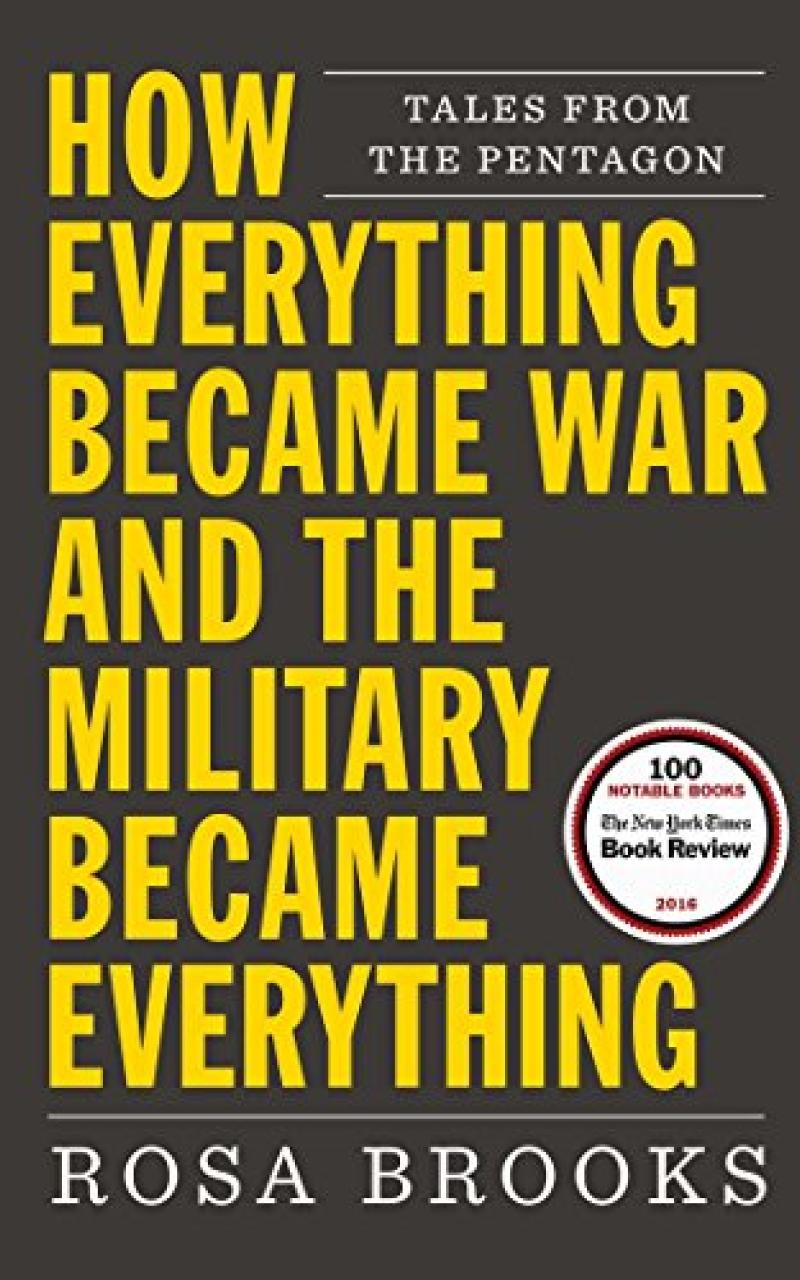
How Everything Became War and the Military Became Everything: Tales from the Pentagon
Rosa Brooks, 2016. New York: Simon and Schuster
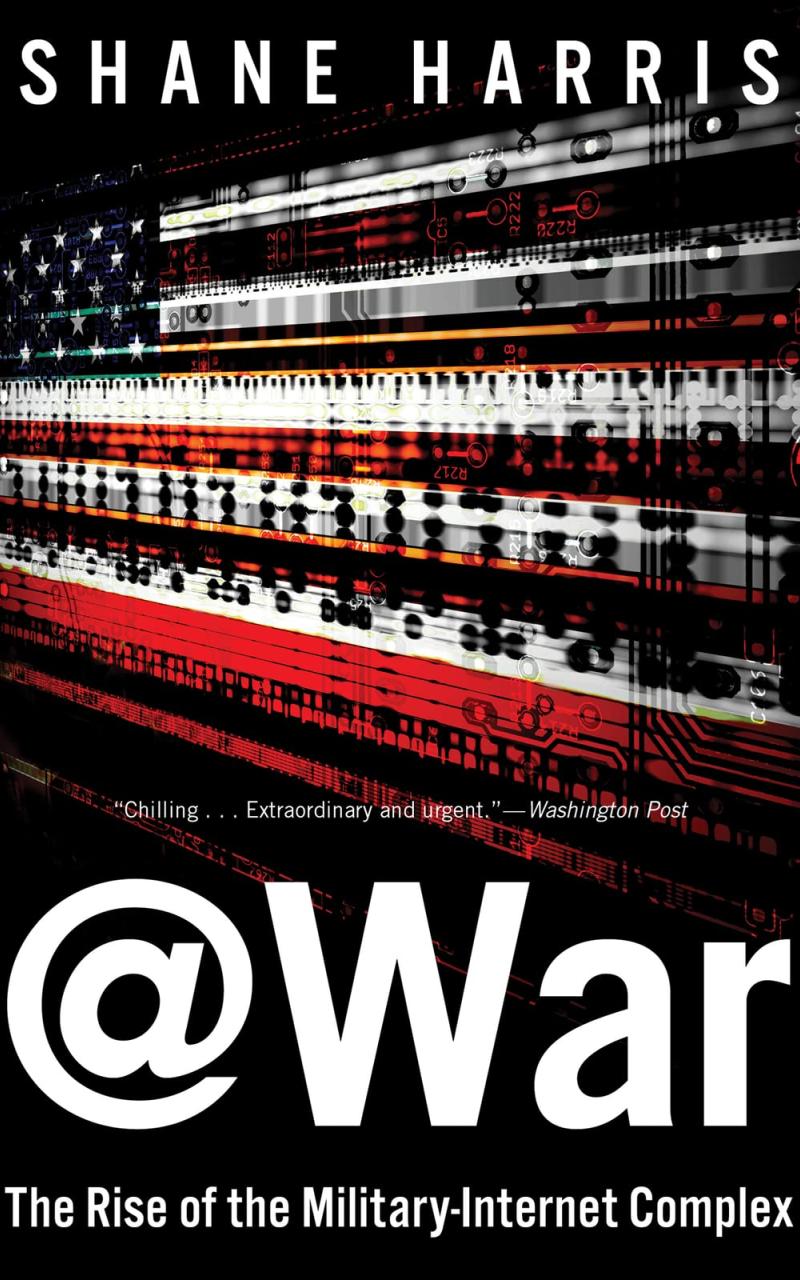
@War: The Rise of the Military-Internet Complex
Shane Harris, 2014. New York: Houghton Mifflin Harcourt
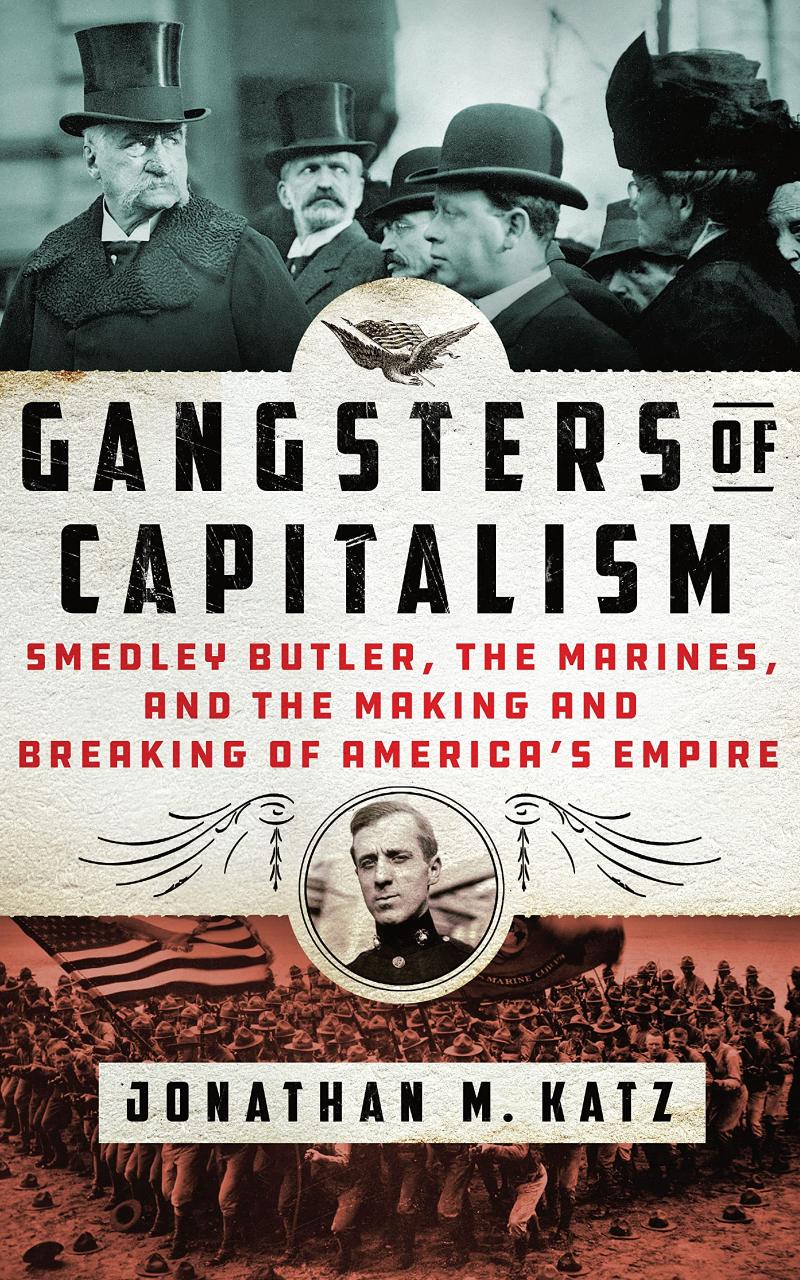
Gangsters of Capitalism: Smedley Butler, the Marines, and the Making and Breaking of America's Empire
Jonathan Katz, 2022. New York: St. Martin’s Press
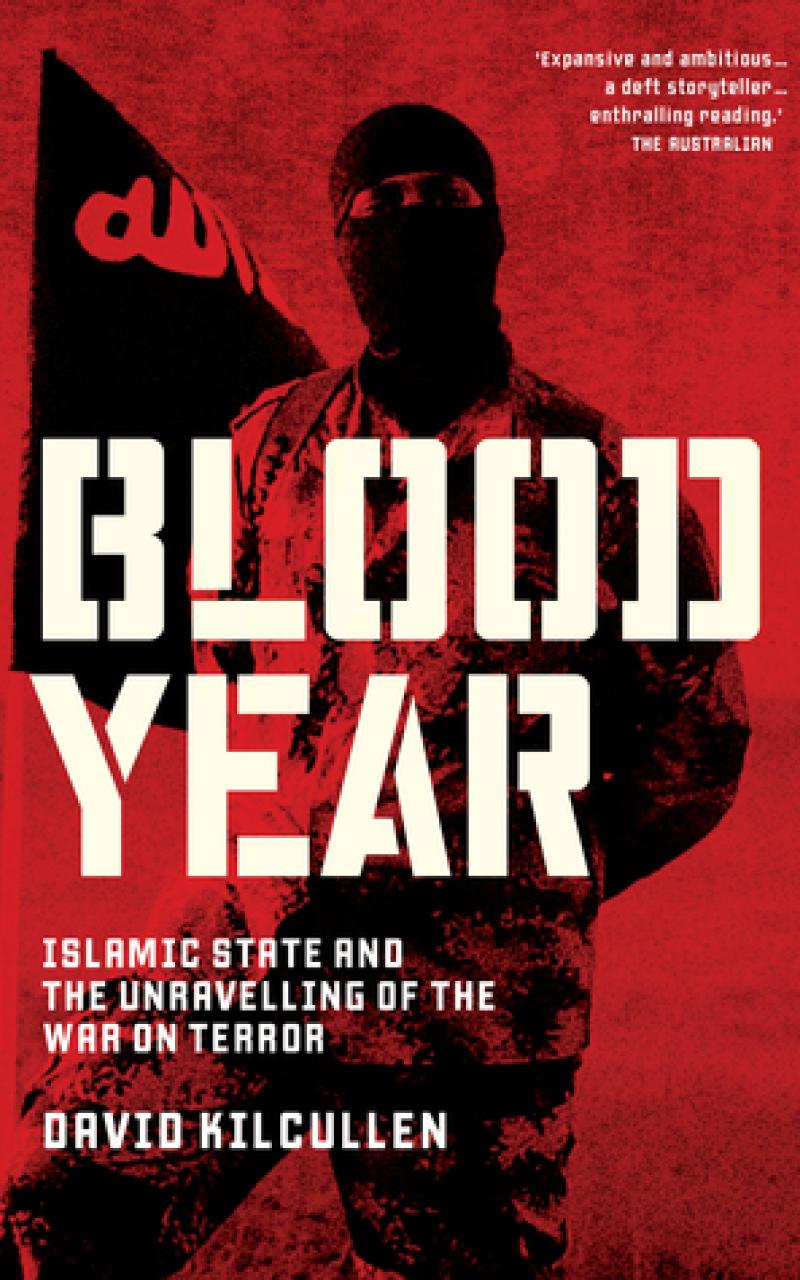
Blood Year: The Unraveling of Western Counterterrorism
David Kilcullen, 2016. New York: Oxford University Press
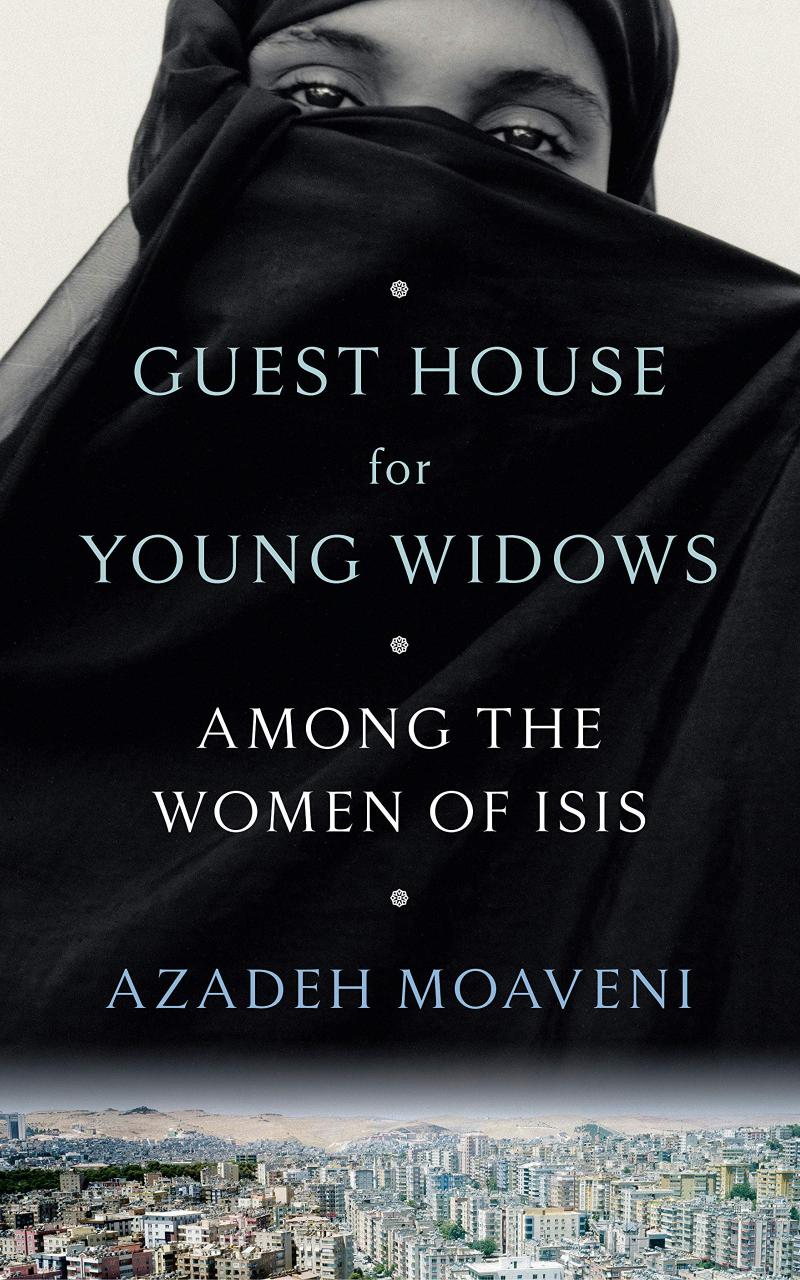
Guest House for Young Widows: Among the Women of ISIS
Azadeh Moaveni, 2019. New York: Random House;
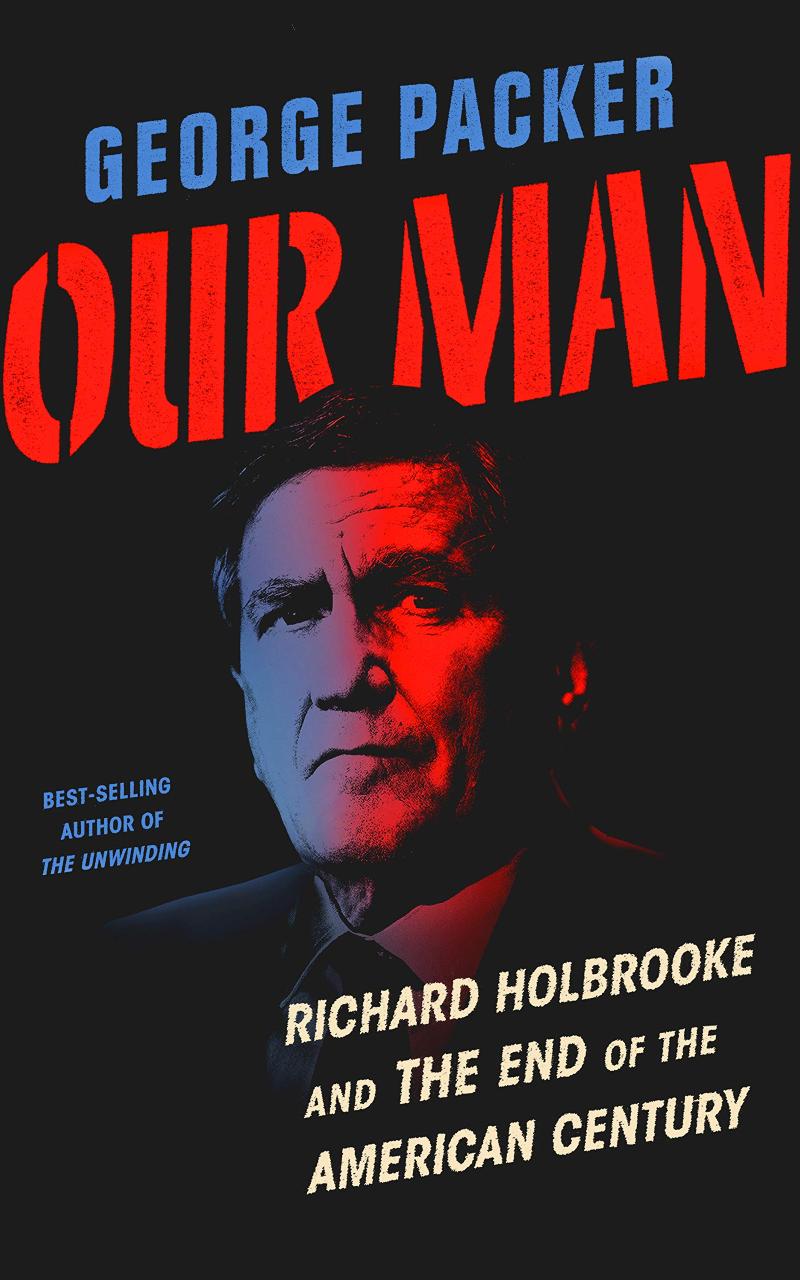
Our Man: Richard Holbrooke and the End of the American Century
George Packer, 2019. New York: Alfred A. Knopf
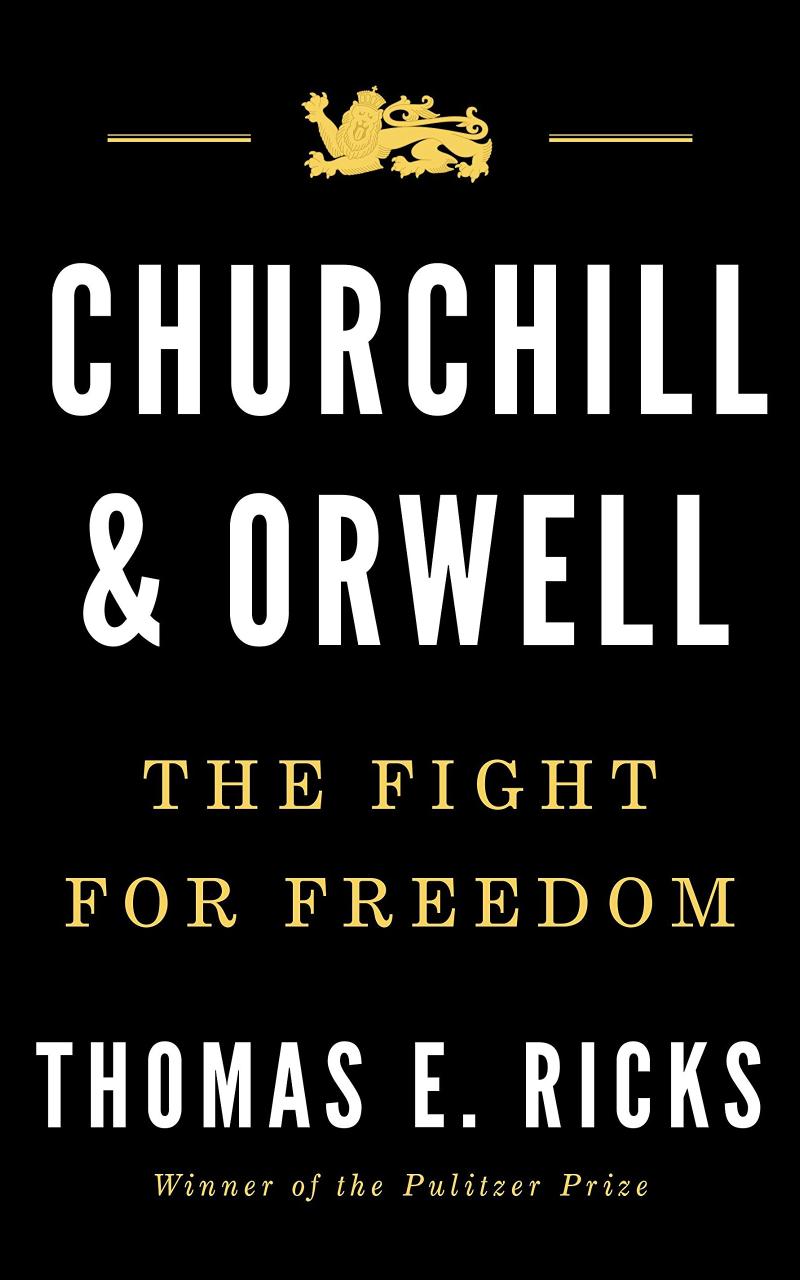
Churchill and Orwell: The Fight for Freedom
Thomas E. Ricks, 2017. New York: Penguin Books
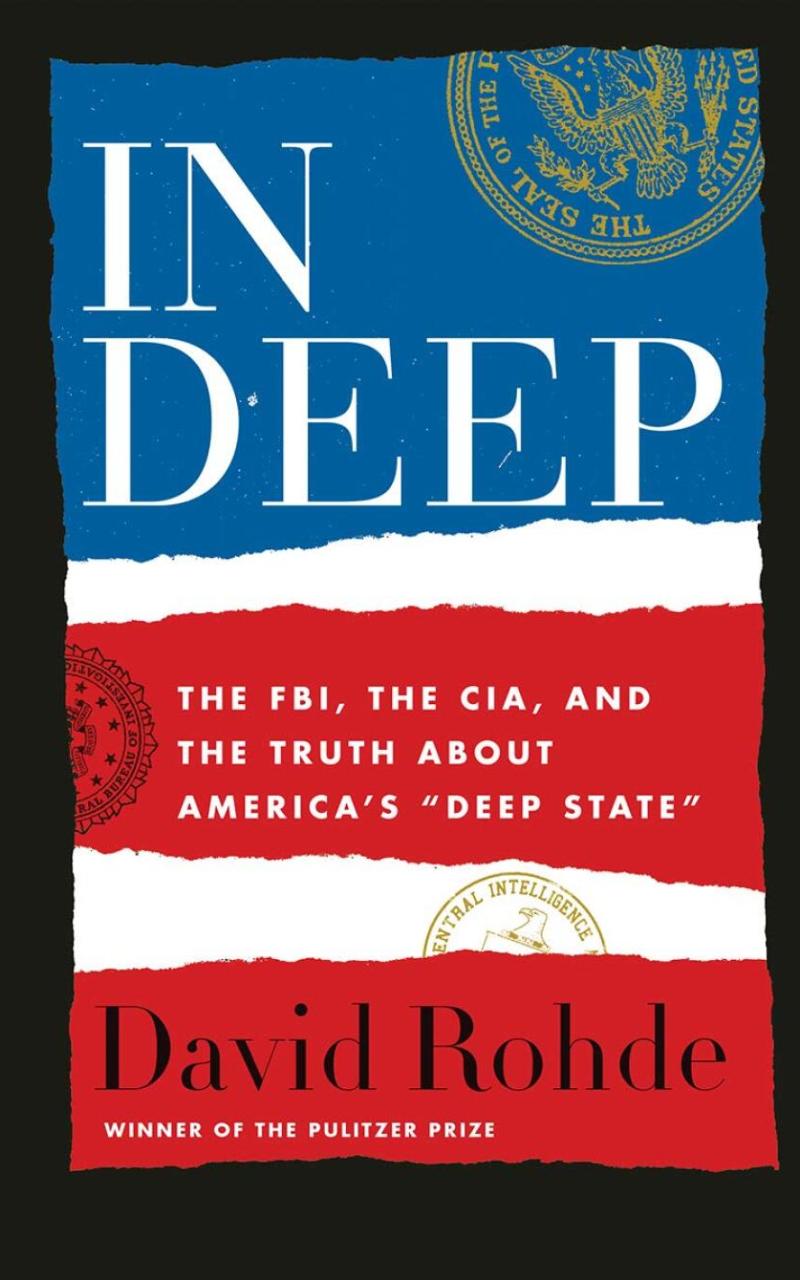
In Deep: The FBI, the CIA, and the Truth about America's Deep State
David Rohde, 2020. New York: W. W. Norton & Company
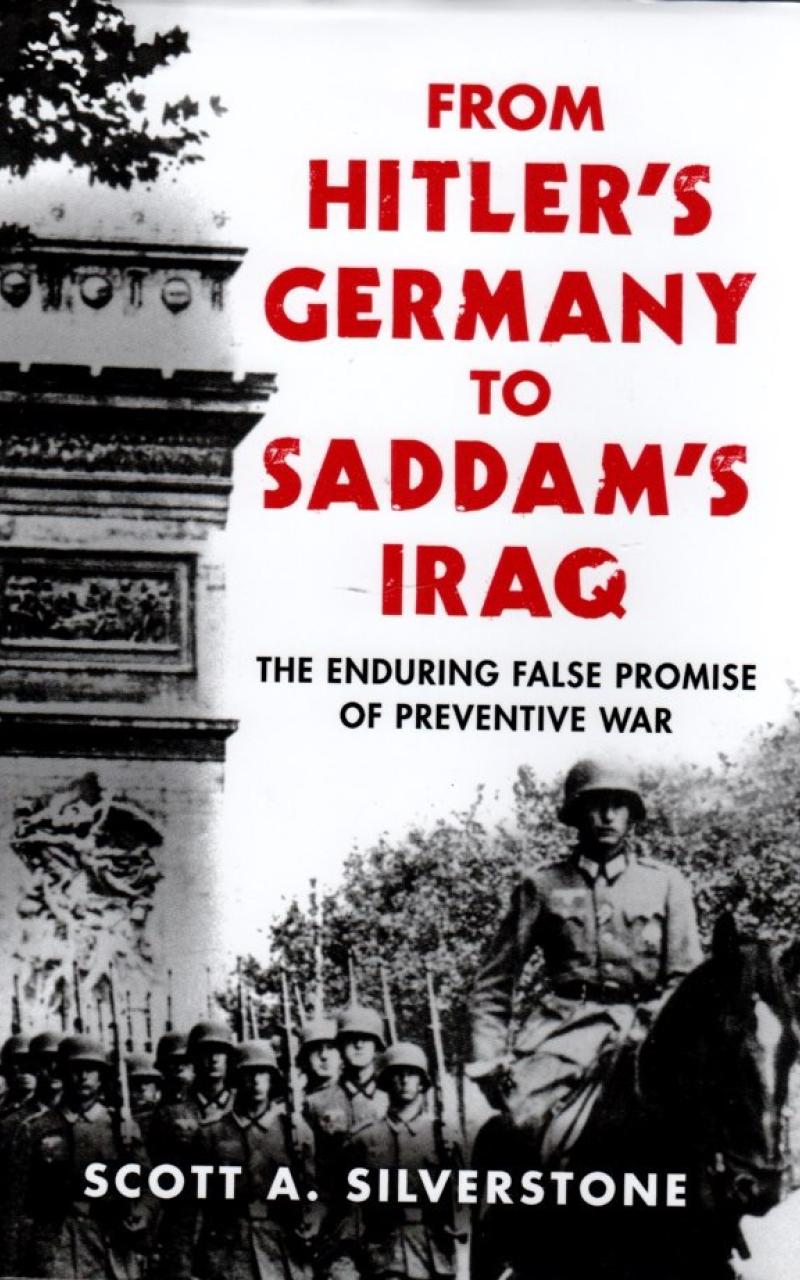
From Hitler’s Germany to Saddam's Iraq: The Enduring False Promise of Preventive War
Scott Silverstone, 2018. Lanham, MD: Rowman and Littlefield Publishers
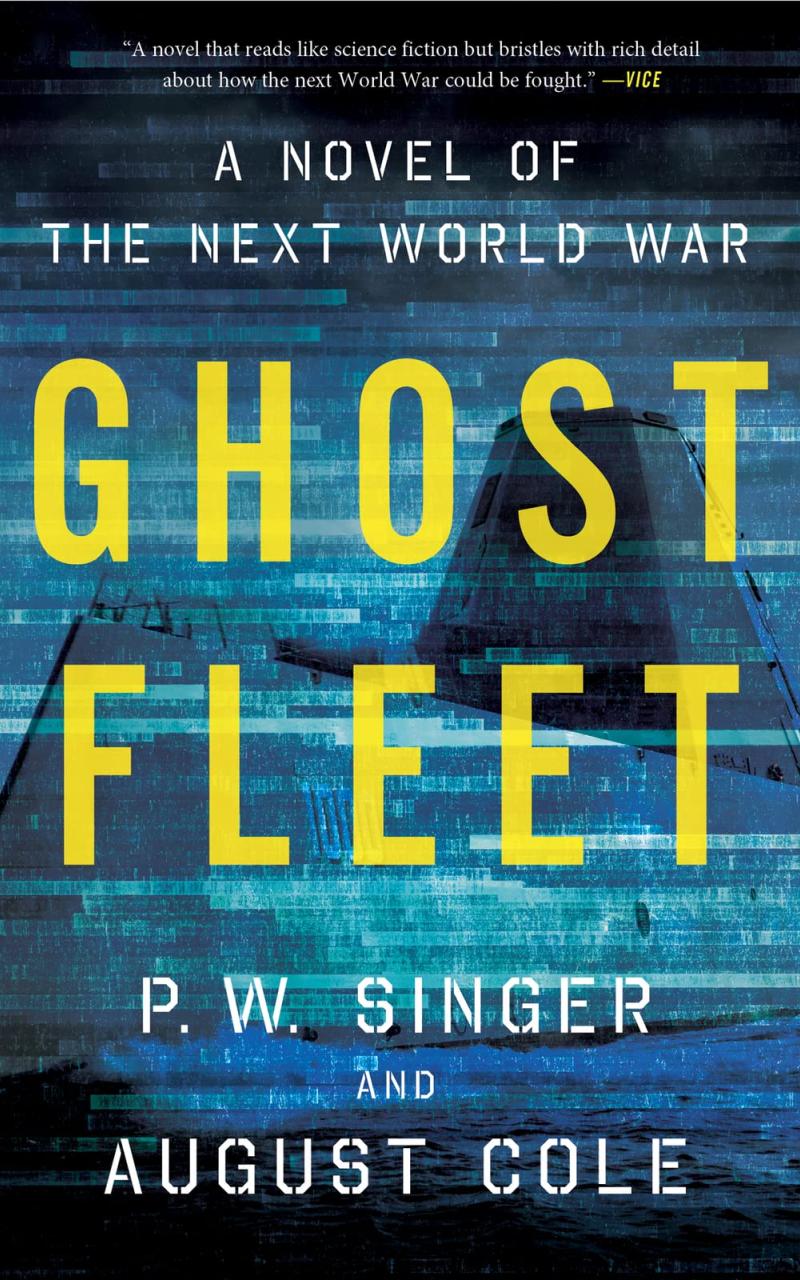
Ghost Fleet: A Novel of the Next World War
Peter W. Singer and August Cole, 2015. New York: Houghton Mifflin Harcourt